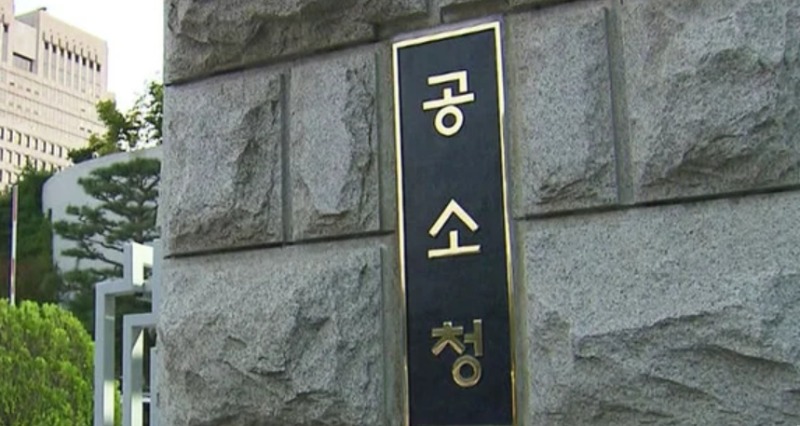
In fact, the most serious problem is that even experts find it difficult to predict exactly what problems will arise. Procedural laws like the Criminal Procedure Act are like operating systems for computers or smartphones, meaning that Koreans who have been using iPhones until now will start using Android instead of changing their devices starting tomorrow. Therefore, experts honestly predict what specific problems will arise in various areas such as detention periods and evidentiary admissibility . Experts honestly predict that it will be difficult to predict what specific problems will arise . The first two issues are raised: prolonged case handling and a decline in prosecution rates. When someone suffers a crime, the perpetrator may face trial. This means not only will the period until the case be handed over longer, but the likelihood of the perpetrator being brought to trial will also decrease, because the prosecutor's supplementary investigation has been abolished. Until now, prosecutors have directly indicted through supplementary investigations, For cases, prosecutors will have to request supplementary investigations from the police and then send them back to the police, which inevitably lengthens processing times. Also, since there is no guarantee that the police will conduct supplementary investigations as requested by prosecutors, cases where the prosecutor does not conduct supplementary investigations as intended are likely to be non-prosecuted by prosecutors. Furthermore, the biggest beneficiary of this incident is analyzed to be a criminal who committed a serious crime whose statute of limitations will expire within six months to a year but has not yet been caught. The Corruption Investigation Office for High-Ranking Officials for High-ranking Officials (CIO) lacks both authority and capability, the police are not specialized agencies for serious crime investigations, and the CIO is virtually unprepared. Additionally, the Corruption Investigation Office for High-ranking Officials, the police, and the Central Investigation Agency will gradually share overlapping investigative authority, which creates room for each side to postpone cases they don't want to handle. Therefore, so-called 'cases involving living power' and 'burdensome cases ' are likely to be handled by no one else.
Comments 0
Log in to comment.